Pages

Tuesday, 22 July 2014

Three Boys on the wall

Writing
LI: Create a story line

Once upon a time, there lived three families and their were the Wilson family the Simpsons and the Faavae family. They were all homeless so three of the boys were trying to get some food for their family.

So they went to are house where food is just like rubbish. They all said to each other and then they said, lets do it to night. After a while, there was a very tall brick wall around the rich house.

But they had to climb over the brick wall and when the sun rises, they will turn into brick wall people. So they climbed over the brick wall but they did not know it was a trap. But the three boys were dumb as because they did not know

THE END

Friday, 23 May 2014

Marine Protected Areas

Marine Protected Areas.

These are areas of the sea that are protected from the public and they can not take any resources from there.

1. New Zealand is a remote, group of islands with extensive marine territory.

2. We have relied on the sea for nourishment since humans first settled here, and at times this has resulted in not able to be maintained at the current rate or level pressure on the marine environment.

3. The New Zealand Government is committed to ensuring that New Zealand’s marine biodiversity is maintained in a healthy state, and an important tool for this is Marine Protected Areas (MPAs).

4. The aim is to establish a network of M Pas that is comprehensive and representative of New Zealand’s marine habitats and ecosystems.

5. The network will also protect outstanding, rare, distinctive or important marine habitats or ecosystems.

6. Marine reserves currently provide the highest level of marine protection, generally formally forbid by law, rule, or other authority harvesting or human intervention.

7. There are over 30 marine reserves in New Zealand’s territorial waters, which are managed by the Department of Conservation (DOC).

8. The main aim of a marine reserve is to create an area largely free of human impacts, providing a useful comparison for scientists to study.


Blue maomao, Poor Knights Island Marine Reserve. Photo: Helen Kettles.

Thursday, 15 May 2014

How are waves made

8 fact

How are waves made

1. If winds created in low pressure systems keep blowing the surface of the ocean for a long time, swells will be bigger because energy is accumulated in all waves produced.

2. Also, if low pressure winds affect a very large area of the ocean, all waves produced by the swell will have even more energy and power, resulting in even bigger waves.

3. We've already analyzed the "birth" of swell and correspondent waves, but there's a large distance to be traveled by those waves.

4. Original oceanic waves may have to run a long journey until they reach continental beaches.

5. Along the way, until they are ridden by surfers, these waves will have to challenge other variables.

6. The height of a wave when it is created is not the height of the waves that is ridden by a surfer.

7. Waves make their way through the ocean and are affected by the differences in the ocean floor.

8. When large volumes of water move and pass by higher sea floors, the overall energy of the swell is changed.

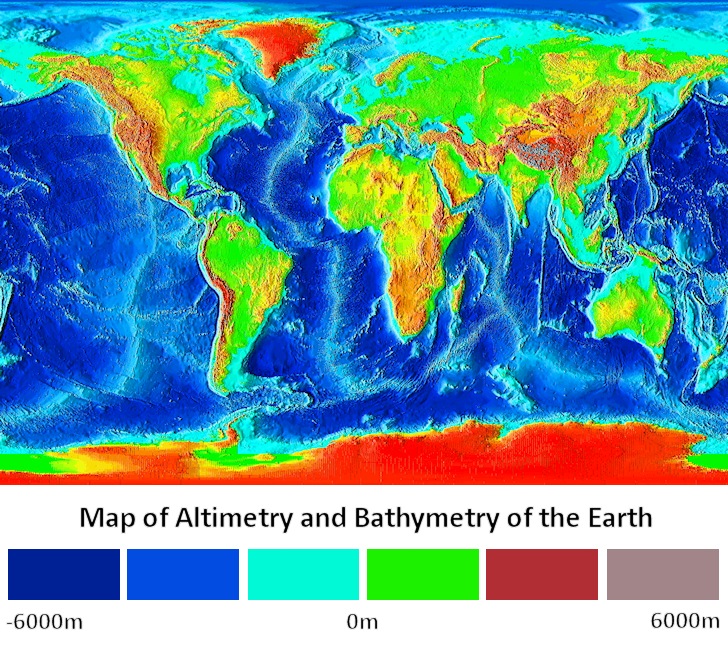
Bathymetry: deep water regions deliver bigger surfable waves

I got my facts from this site:

Friday, 9 May 2014

How are waves made.

How waves are made.
1. Waves are mainly a product of the wind.
2. The best waves for surfing are the result of the interaction of winds on the surface of the ocean, far away from the coast.
4. Wind is the first step in the formation of surf able waves.
5. Local shore winds can also produce waves, but they can also destroy the quality of the breaking waves.
6. Onshore winds are typically known for creating choppy and bumpy waves because their effect is added to the direction of the wave.
7. In a way, offshore winds are a sort of a counterbalance.

8. Swell comes from miles away and the ground wind works as a "pause-hold" effect on the wave face, allowing longer unbreakable waves.
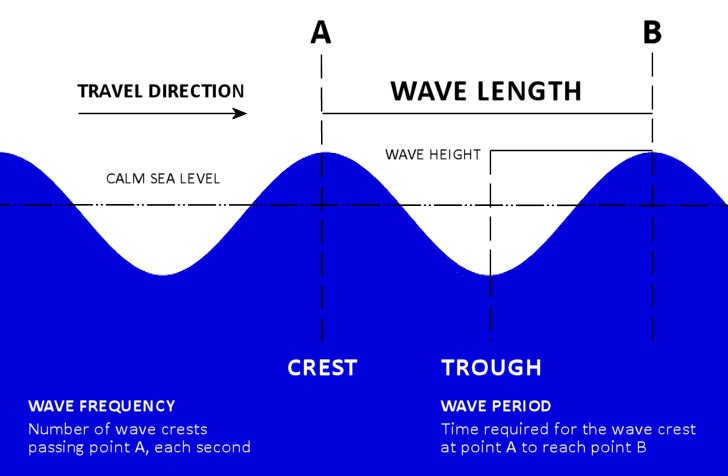
Waves: the importance of wave length, wave period and wave frequencyHow is a wave formed: wind is the source of the surf

Wednesday, 19 March 2014

My reading activities this week

My Term 1 2014 picture
This week I read a story called Just to be safe by John Lockyer. I was learning to question the author's purpose for writing the story. 

As one of my activities, I had to describe the main characters. 

The characters are: 
Grandma - grandma is a caring person because when Kate was going to the flying fox, grandma told her to go to another playground equipment because it was not safe. 

Kate - she is a young child because she was scared in the night and she went and slept int the grandma's tent. 

The author wrote this story so people can read it and think about being safe when they are going on a trip. 

Friday, 14 March 2014

Study ladder

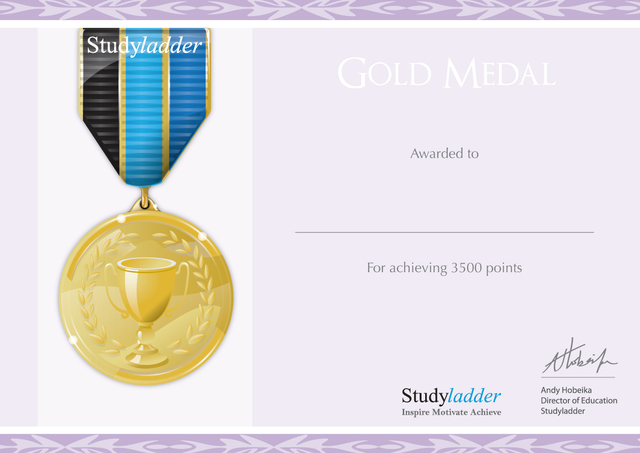
Today, I have been playing a reading game called answer the question. After 5 minutes, I got it all right and I got Gold Medal after that I created a document then I was writing about the game that I was playing.

By Fineasi

Thursday, 13 March 2014

Native birds of New Zealand

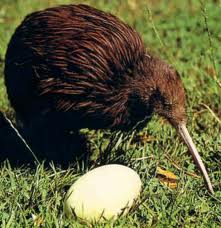
Fact about The Kiwi Bird
5 Fact

1. The kiwi bird could not fly.
2. The kiwi bird has loose hair like feathers.
3. The kiwi bird has very strong legs.
4. The kiwi bird has no tail.
5. The kiwi is a curious bird.


Fact About The Kakapo

5 Fact


1. The kakapo goes out only at night time.
2. The kakapo lives in the wild on two offshore islands.
3. The kakapo is the heaviest parrot in the world.
4. The kakapo is  flightless.
5. The kakapo is the only parrot that has a ‘lek’ breeding system.


Fact About The Weka

5 Fact

1. The weka is a large bird.
2. The weka is a brown flightless bird.
3. The weka has a very famously feisty and curious personality.
4. The weka is a fast bird.
5. The weka is a very special bird.